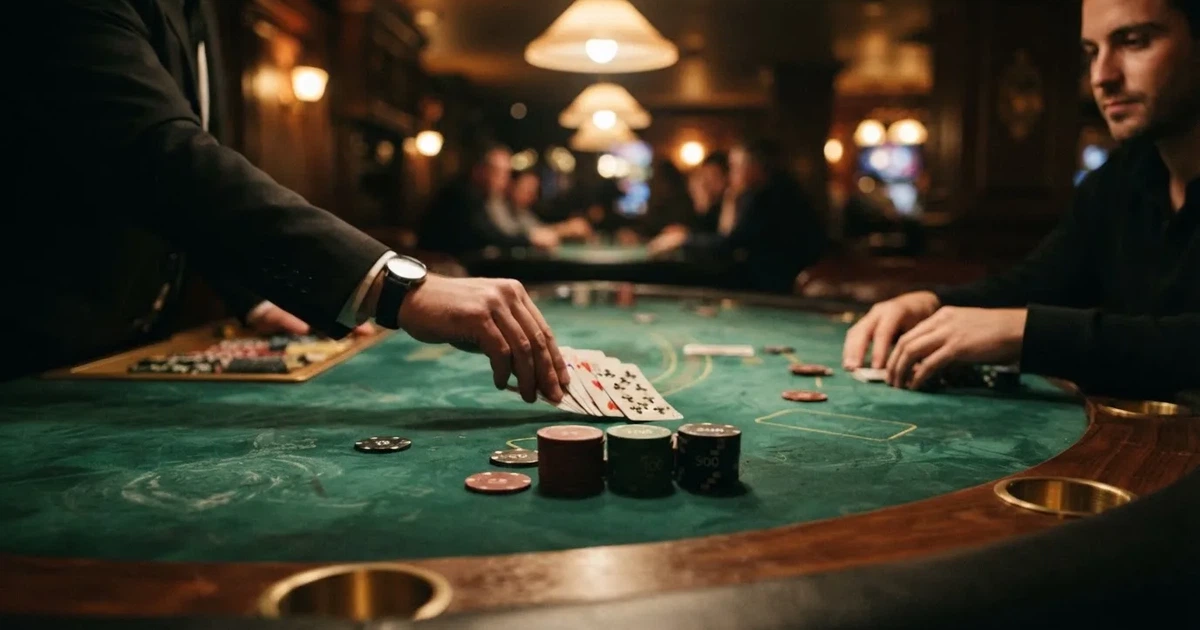
Best keno online casino australia 2026: what the law allows and what the maths takes
 Available in US
A reader who types “best keno online casino australia 2026” is asking for a shortlist. The honest answer is that no such shortlist exists, in the form the search implies: no Australian jurisdiction issues a licence to offer online casino games, keno included, to anyone in Australia. What the search actually turns up are offshore sites the Australian Communications and Media Authority has spent the last decade pushing off the market. The page that follows works the gap between those two facts, lays out what online keno’s house edge actually costs a player, names the lawful Australian alternatives and the responsible-gambling tools that reach them, and lists the offshore brands the ACMA itself has acted against so the comparison sits on a single frame rather than an imagined one.
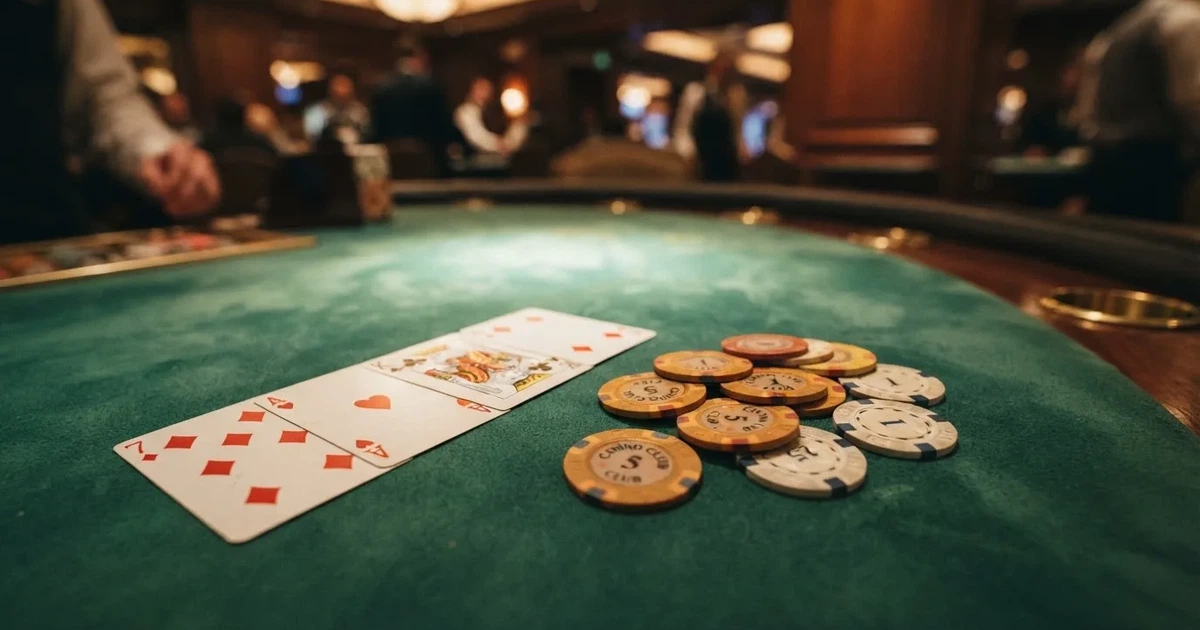
Currency and licence claims verified as of 24 September 2026 against the ACMA’s public register of formal warnings and blocking orders.
Table of Contents
- How keno works, and why the maths matters before the marketing
- The legal frame in Australia, and what it actually prohibits
- How a player gets protected, and where the protection stops
- Crypto, Bitcoin and the question of online anonymity
- The gameplay detail behind online keno, from paytable to live draw
- A side-by-side frame for offshore brands the ACMA has acted against
- What the lawful options actually look like
- Where the offshore market tries to recruit Australian accounts anyway
- A note on responsible gambling, written out plainly
- The verdict the page can actually offer
- Frequently asked questions
How keno works, and why the maths matters before the marketing
Modern keno is straightforward to play and punishing to budget against. Players choose up to 20 numbers from a field of 1 to 80. A ball machine or random number generator draws 20 numbers. The payout depends on how many of the player’s chosen numbers match the draw — the more matches, the larger the prize. Hitting all 20 numbers on a 20-spot ticket carries odds of roughly 1 in 3.5 quintillion, which is the kind of figure that explains why jackpots grow large and why hitting one is not a plan.
The house edge on keno is the highest of the common casino games. Wizard of Odds puts it at 25 to 29 percent across standard variants; Wikipedia’s wider survey of online and in-venue keno puts the range at under 4 percent to over 35 percent online and 20 to 40 percent in person. Compare that with baccarat’s 1.06 percent on the Banker bet, 1.24 percent on the Player bet and 14.36 percent on the Tie, or with blackjack at about 0.28 percent under liberal Las Vegas Strip rules and 0.43 percent under Atlantic City rules. A 25 percent house edge means a quarter of every dollar wagered is the operator’s expected take before the player sees a result — a starker gap than the marketing usually lets on.

That edge is the part a reader cannot see in a screenshot of a keno lobby. The lobby shows bright tiles and the word “instant”; the maths is what the tile does to a bankroll. A reader who treats keno as a casual punt is paying for that casualness. A reader who treats it as the game with the worst expected return among standard casino products has already made the most useful decision available.
Live keno on a casino floor is not the same animal as the automated online version. Wizard of Odds’ survey of live keno in Las Vegas found returns of 65 to 80 percent, which still leaves the game well above the edge of every other table product but well below the worst of what an offshore RNG draw delivers. The distinction matters because “live keno” on a streaming offshore site is usually neither: it is a recorded loop of a draw, with bets placed against the house on whatever numbers the player has typed in. The “live” label is a presentation choice, not a regulatory one.
The legal frame in Australia, and what it actually prohibits
The Interactive Gambling Act 2001, tightened by the Interactive Gambling Amendment Act 2017, makes it an offence to provide online casino games, online pokies or in-play betting to a person physically in Australia. No state or territory licenses those products. What is licensable, and is run in licensed venues and on licensed digital channels, is wagering on races and sport placed before the event, lotteries and keno — products the Northern Territory Racing and Wagering Commission oversees in practice.
Keno sits in an unusual position inside that frame: a prohibited product online, a permitted product in licensed venues. The licence is granted state by state. Keno (QLD) Pty Ltd is the exclusive keno licensee in Queensland, regulated by the Office of Liquor and Gaming Regulation under the Keno Act 1996, the Keno Regulation 2007 and the Keno Rule 2010. New South Wales extended its keno operator and product licence to 1 April 2050 — a 28-year extension — with the joint licensees agreeing to pay the state more than $230 million, comprising a $25 million upfront fee plus annual licence duty. Victoria issued 20-year keno licences from 15 April 2022 under the Gambling Regulation Act 2003 to Keno (VIC) Pty Ltd and Lottoland Australia Pty Ltd, with Lottoland renaming to KenoGo Pty Ltd on 9 September 2025; the Victorian Gambling and Casino Control Commission took over from the VCGLR on 1 July 2022 and is the regulator on the file.
The distinction is plain: in NSW, Queensland and Victoria, keno is the product of a state-licensed operator running through pubs, clubs and casinos. Online, the same game is a prohibited interactive gambling service the moment it is offered to a person in Australia.
A reader who sees a Curacao-licensed or Malta-licensed site claiming to offer keno to Australian customers is looking at the offshore product, not the licensed one. The licence on the footer is real in the sense that the regulator issued it; it does not authorise the offer to Australians. The Interactive Gambling Act targets the provider, not the player, so the reader is not personally at risk of prosecution — but the protections that come with an Australian-licensed site, complaints pathways, dispute resolution, the BetStop self-exclusion register, do not attach.
The ACMA’s enforcement record
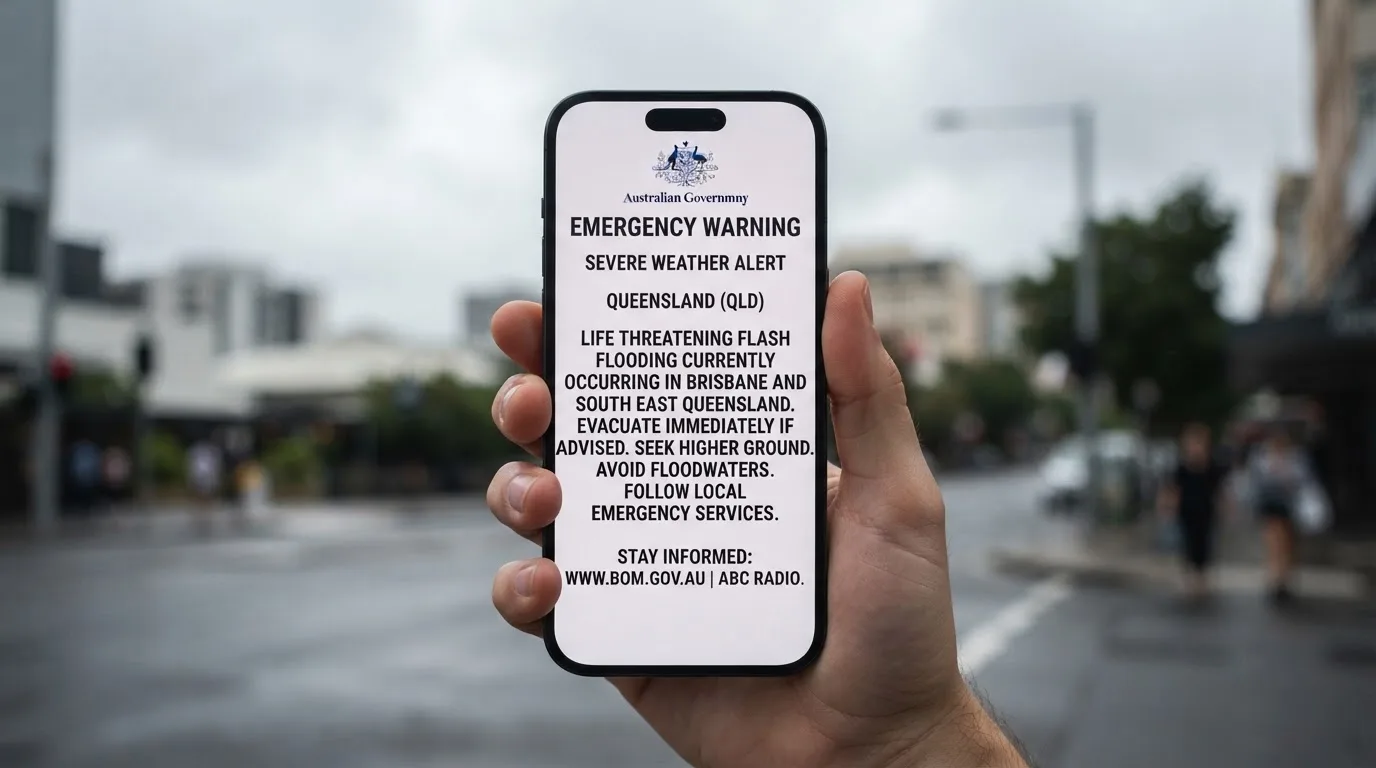
The ACMA does not bring criminal charges. It investigates, issues formal warnings, and asks Australian internet service providers to block illegal services at the network level. As of the ACMA’s published figures from June 2026, 1,751 illegal gambling and affiliate marketing websites had been blocked since the first blocking request in November 2019, and more than 230 unlicensed gambling services had left the Australian market since enforcement was strengthened in 2017.
A round reported on 26 June 2026 added twelve more domains to the block list: 7Signs, ChromaBet, Donbet, Duospin, Freshbet, Slots Gem, Jacks Club, Lucky Start, Pointsbetz, Spinrise, Vinyl Casino and Wildsino. The cumulative count is the more useful figure: across roughly six and a half years, the ACMA has averaged around 270 blocks a year, or roughly five a week, against a market that re-skins under new domains when an old one is shut down.
H2 Gambling Capital’s 2025 report estimates that Australians lose about A$3.9 billion a year to illegal gambling sites, and that the share of gambling going through legal channels fell from 74 percent in 2021 to 64 percent. The block list is the regulatory answer; the loss figure is the gap that answer has not closed. The reader sitting at one end of that gap is who the comparison on this page is actually for.
The blocking rate, set against the first ACMA blocking request in November 2019 and the running total of 1,751 blocked sites as of the June 2026 round, is the page’s main arithmetic. The count grows by roughly five sites per working week, with one-off rounds of a dozen or more when the ACMA acts on a cluster of related domains. The actual rate is a band — close to one site per working day on the multi-year average, but with quieter weeks and busier weeks depending on which operators the regulator is chasing at any given time. The growth of the list is the durable signal; the per-week count is the noise.
How a player gets protected, and where the protection stops
Two safeguards reach an Australian player around online wagering. Both reach licensed products only.
BetStop, the National Self-Exclusion Register, has been live since August 2023. A person registered with BetStop is barred from opening new accounts or placing new bets with every Australian-licensed online and phone wagering service for the period they nominate, with minimum exclusion periods set by the regime. Offshore casinos are not connected to BetStop. Self-excluding from a Curacao-licensed site is a request to the operator, enforceable only as far as the operator chooses to enforce it, and not part of the national register.
The National Gambling Helpline on 1800 858 858 is free, runs 24/7 and connects callers to Gambling Help Online for chat-based support. The helpline is a service for the player, not a barrier around a product — it works whatever site the player is on, licensed or not. For anyone reading this and worrying about their own play or someone else’s, that number is the one to keep.
On the payment side, the rules are tighter than the marketing lets on. Credit cards, credit-related products and digital currency have been banned as payment for licensed online wagering since 11 June 2024, with penalties up to A$247,500 for operators that take them. Legal deposit routes for licensed wagering are debit card, bank transfer, PayID, Osko and BPAY. A site asking an Australian customer for a credit card or a crypto deposit is operating outside the Australian rules for licensed play, and that ask is itself a tell about who the site is regulated by.
On tax, gambling winnings of a recreational player are not assessable income under section 6-5 of the ITAA 1997, and losses are not deductible. The model holds unless the person carries on a business of gambling, at which point the ATO’s view of what they are doing changes. For the vast majority of readers, a win at keno is a win that does not appear on a tax return and a loss that does not appear as an expense — worth knowing, because the offshore site will not volunteer it.
The 2026 reform layer is the Interactive Gambling Amendment (Gambling Reform) Bill 2026, which passed Parliament on 19 August 2026. Its advertising and inducement measures commence on 1 January 2027. On a 2026 page that is law with a future start date: not yet in force, but the direction of travel is set, and the inducement provisions are aimed squarely at the kind of bonus-led marketing the offshore market uses to recruit Australian accounts.
Crypto, Bitcoin and the question of online anonymity
Bitcoin keno and crypto casino keno are real product categories at offshore sites. They are also the categories the Australian rules treat least favourably. Digital currency is one of the payment methods banned for licensed online wagering since 11 June 2024, on top of the prohibition on the underlying offer. An offshore site that takes a Bitcoin deposit from an Australian customer is offering two products the Australian regime does not sanction: the keno game and the payment rail.
The reader who wants crypto keno is, by the operator’s own architecture, outside Australian consumer protection. The transaction settles on a blockchain the operator controls the keys to; the site’s terms decide when a balance can be withdrawn; the absence of an Australian dispute body means a refusal to pay out has no escalation path the player can rely on. The product is real and the protections are not. The reader can make that trade, but should make it with both eyes open.
A more useful question, and one that is often overlooked, is whether the offer is provably fair. Some offshore keno games publish a hash of the seed before the draw and let the player verify it after. That is a real property, not a marketing one, and it gives the player a way to check the operator did not change the result after seeing the bet. Not every crypto keno title carries it. For a reader who wants the cryptographic side to mean something, that is the property worth looking for.
The gameplay detail behind online keno, from paytable to live draw
A keno paytable is the document that decides what the game actually pays, and the paytable is where the published return meets the house edge. Two games titled “keno” can carry returns at opposite ends of the 4-to-35 percent spread without either of them lying about what they are. The difference is in the numbers of spots a player is asked to choose, the payouts at each match count, and the rules around the draw itself — whether draws cascade, whether the player can pick additional numbers mid-game, and whether a no-hit ticket is treated as a loss or rolled.
The legacy story behind keno credits Han-dynasty strategist Zhang Liang with inventing the game during the Chu-Han Contention, with the earliest ticket sheets printed with the first 80 characters of the Thousand Character Classic instead of numerals. The game’s twentieth-century Australian adoption is the more useful history: a licensed product in pubs and clubs, drawn live, with state regulators approving the rules before they go on the floor. NSW’s Casino Control Act 1992 sets out the principle at section 66: a casino operator must not permit a game such as baccarat to be played unless the rules are approved by the regulator, and must make a copy of the approved rules available on request. Victoria’s Casino Control Act 1991 imposes the same duty on the Melbourne casino, with the VGCCC approving any change to table-game rules before they are introduced. Keno operates under parallel approval machinery state by state.
A live keno draw at a licensed Australian venue is a physical event: balls drawn from a machine, results posted on screens around the venue, tickets paid out by staff. The “live keno” label on an offshore streaming site is usually neither live nor drawn by machine — it is a recording of a previous draw, with the player’s bets retroactively matched against it. The difference is not pedantic. A recorded draw cannot be checked against a real-time result; a real-time draw at a licensed venue is supervised by the regulator and the venue’s own compliance staff. The marketing uses the same word for both.
Crown Melbourne’s baccarat floor gives a sense of how a regulator-approved live table game is run in practice: three variants — Traditional Baccarat, Crown Baccarat and 2 to 1 Baccarat — approved as table games by the VGCCC under the framework the Commission took over from the VCGLR on 1 July 2022. The same approval pathway applies to keno in licensed venues. Online, no comparable approval exists.
A side-by-side frame for offshore brands the ACMA has acted against
Eleven offshore brands are listed below because the ACMA itself issued a formal warning over each of them for offering prohibited services to Australians. None is recommended as a place to play. The table is a record of enforcement, not a ranking.
| Brand | ACMA action and date | Operator named by the ACMA | Subject support |
|---|---|---|---|
| RocketPlay | Formal warning, March 2026; earlier Dama N.V., May 2022 | Pulsup Ltd | — |
| Level Up Casino | Formal warning, May 2022 | Dama N.V. | listings-only |
| Woo Casino | Formal warning, March 2025 | Dama N.V. | — |
| Spirit Casino | Formal warning, May 2025 | Dama N.V. | — |
| National Casino | Formal warning, July 2025 | Consolutetish S.R.L. | listings-only |
| Bizzo Casino | Formal warning, July 2025; earlier TechSolutions, 2022 | Consolutetish S.R.L. | — |
| Ignition Casino | Formal warning, July 2025 | Bamboo Media | — |
| Instant Casino | Formal warning, February 2025 | EOD Code SRL | — |
| Jackbit | Formal warning, April 2026 | Ryker B.V. | — |
| Casino Intense | Formal warning, April 2025 | Sterplay Holding Ltd | listings-only |
| Sky Crown | Formal warning, September 2022 | Hollycorn N.V. | — |
What the table shows is how the ACMA’s enforcement works in practice. Warnings follow a slow drumbeat of operator names rather than a single corporate target: Dama N.V. alone has been warned over four of the brands on the list, with separate warnings issued to related operators that share the same licence holder. Consolutetish S.R.L. shows up twice in the same July 2025 round, over National Casino and Bizzo Casino — Bizzo had already been the subject of a 2022 warning to a different corporate parent, TechSolutions. The offshore market re-organises around the same product under new corporate names; the ACMA follows the re-organisation.
“Subject support” is the column the comparison hinges on. Three of the eleven brands have any third-party listing — Level Up Casino on BGaming’s game-provider catalogue, National Casino on Wikipedia, Casino Intense across an ABC report, the ACMA’s own register and Crown Melbourne — and none of those listings constitutes an Australian licence to offer casino games to Australians. The remaining eight carry no third-party listing at all: a brand name, a domain, an ACMA warning, and a footer that asserts a regulator which has no jurisdiction over the offer to an Australian customer.
For a reader evaluating the top offshore contenders, the practical reading of the table is short. Eleven brands the ACMA itself has acted against, none of them Australian-licensed, all of them offering a product the IGA prohibits offering to Australians. The licence on the footer of any one of these sites is a licence to operate the business; it is not a licence to take a keno bet from a person in Australia.
What the lawful options actually look like
The lawful Australian keno product is the one in licensed pubs, clubs and casinos, not on a phone screen. Keno (QLD) Pty Ltd runs the Queensland licence; the Victorian licences run through Keno (VIC) Pty Ltd and KenoGo Pty Ltd; the NSW licence runs to 2050. Tickets are bought over the counter from venue staff, draws are conducted on machines in the venue under the regulator’s eye, and the payouts follow paytables the state regulator has approved.
For a reader who wants the keno experience without the venue trip, the licensed online channel stops at wagering. Licensed Australian bookmakers — the 52 operators the NTRWC regulates in the Territory, including Sportsbet, Bet365 and Ladbrokes — take bets on racing and sport before the event, but not on keno draws. The NTRWC itself has no full-time staff and meets once a month in Darwin, which is itself a marker of how thinly the de facto regulator is resourced against the size of the licensed market it oversees. Lottery products run through state-licensed operators, again not keno as an online casino game.
The gap between the search for an online site and what the law permits is the page’s whole subject. The lawful answer is “go to a venue, or don’t play online.” The offshore answer is “play at one of the sites the ACMA has warned, with no Australian consumer protection, on a product with a 25-to-29 percent house edge.” Both are real answers; the first is the answer the law intends.
Where the offshore market tries to recruit Australian accounts anyway
H2 Gambling Capital’s 2025 figure — A$3.9 billion a year flowing to illegal gambling sites, with the share of gambling going through legal channels falling from 74 percent in 2021 to 64 percent — is the scale of the recruitment problem. The block list is the regulatory answer to that recruitment, and the rate of blocking is the page’s own arithmetic: 1,751 sites blocked since November 2019, at an average of roughly five per working week.
The mechanism on the recruitment side is the inducement. Sign-up offers, “first deposit” matches, “free spins” with wagering requirements — the marketing vocabulary the offshore sites use to put a face on a product the IGA prohibits offering. The 2026 reform bill, with its inducement provisions commencing 1 January 2027, is aimed at that vocabulary. Until those provisions commence, the inducement is what the reader meets first and the licence question is what they meet last, if at all.
The reader who recognises an inducement for what it is has already done the harder half of the work. The other half is recognising that the underlying game, keno, carries a 25-to-29 percent house edge in its standard online form — a figure that makes the inducement a marketing expense recouped from the player’s wallet rather than a gift to it.
A note on responsible gambling, written out plainly
For anyone reading this who is worried about their own play or someone else’s, the National Gambling Helpline is 1800 858 858, free, 24/7, with chat available through Gambling Help Online. BetStop, the National Self-Exclusion Register, blocks new accounts with Australian-licensed online and phone wagering services for the period the registrant nominates. Both work for licensed products; neither reaches an offshore site.
The page’s editorial position is that the legal frame is not a moral judgement about individual play, and the responsible-gambling tools exist for the readers who want them. The arithmetic on the page — the house edge, the block list, the 25-to-29 percent spread on online keno, the A$3.9 billion flowing offshore — is meant to give the reader the information they need to make their own call, not to make it for them.
The verdict the page can actually offer
The honest version of a “best keno online casino australia 2026” ranking is three lines long. There is no best, because no Australian jurisdiction licenses the offer. The licensed keno product is the one at the pub, the club or the casino, with state-licensed operators, regulator-approved paytables and the responsible-gambling tools that reach it. The offshore product is the one the ACMA has been blocking at the rate of roughly five sites a working week since November 2019, with no Australian consumer protection, with a 25-to-29 percent house edge in its standard online form, and with a marketing layer designed to keep the reader from asking which of those two facts is the more important.
The reader who treats the lawful venue as the default has the better of both trades: a regulated product on a state-licensed paytable, with the responsible-gambling infrastructure that reaches it, and a house edge that is the same 25-to-29 percent the offshore product carries but paid out under rules a state regulator has approved.
Frequently asked questions
How high is keno’s house edge compared with other casino games?
Keno carries the highest house edge of the common casino games. Wizard of Odds puts it at 25 to 29 percent; Wikipedia’s wider survey of online and in-venue keno reports a range from under 4 percent to over 35 percent online and 20 to 40 percent in person. By comparison, baccarat’s edge is 1.06 percent on Banker and 1.24 percent on Player, and blackjack sits around 0.28 percent under liberal Las Vegas Strip rules. A reader choosing between keno and a table game is choosing between the highest edge on the floor and one of the lowest.
Is keno available at licensed pubs and clubs in Australia, or only at casinos?
Both. Keno is licensed state by state as a product for hotels, clubs and casinos. Keno (QLD) Pty Ltd is the exclusive licensee in Queensland; Victoria issued 20-year keno licences from 15 April 2022 to Keno (VIC) Pty Ltd and KenoGo Pty Ltd under the Gambling Regulation Act 2003; NSW extended its keno operator and product licence to 1 April 2050 with the joint licensees paying more than $230 million to the state. The draw is conducted in the venue under the state regulator’s supervision, which is what makes the licensed product different from the offshore online offer.
Is it legal for an online casino to offer keno to players in Australia?
No. The Interactive Gambling Act 2001, as tightened by the Interactive Gambling Amendment Act 2017, makes it an offence to provide online casino games — keno included — to a person in Australia. No state or territory licenses those products. The ACMA enforces the prohibition by issuing formal warnings and directing Australian ISPs to block illegal sites; 1,751 sites had been blocked by June 2026 since the first blocking request in November 2019. The IGA targets the provider, not the individual player, but an offshore site offers no Australian consumer protection, no complaints body and no recourse if a withdrawal is refused.
How does live keno differ from an automated keno draw?
A live keno draw at a licensed Australian venue is a physical event: balls drawn from a machine in the venue, results posted on screens, tickets paid out by staff under the regulator’s eye. Wizard of Odds’ survey of live keno in Las Vegas found returns of 65 to 80 percent. The “live keno” label on an offshore streaming site is usually neither: it is a recorded loop of a previous draw, with bets retroactively matched against it, on a server the operator controls. The marketing uses the same word for both; the regulator reaches only one of them.
Can keno be played with a Bitcoin deposit at an offshore site?
Yes, at offshore sites that accept it — and the offer sits outside Australian rules on two counts at once. The keno game itself is a prohibited interactive gambling service under the IGA, and digital currency has been banned as a payment method for licensed online wagering since 11 June 2024, with penalties up to A$247,500 for operators that take it. A Bitcoin deposit at an offshore site is a transaction that settles on rails the operator controls, with no Australian dispute body to escalate a refused withdrawal. Some offshore keno games publish a hash of the seed before the draw and let the player verify it after the bet, which is a real property worth checking for; the absence of that option is itself information.
Why do keno returns vary so widely between venues and sites?
The paytable decides the return, and the paytable is set per game, per operator and per regulator. Two products titled “keno” can carry returns at opposite ends of the published spread — under 4 percent to over 35 percent online, 20 to 40 percent in person — without either of them misdescribing what it is. The difference is in the number of spots a player chooses, the payout at each match count, and whether draws cascade or run as a single event. A state-licensed Australian venue runs its paytable past the state regulator before it goes on the floor; an offshore site sets its own.
Written by the editors at Casino Providers Info.