
Australian online casino market in 2026: realities and regulations
A reader typing “new online casino” into a search bar in Australia is, almost always, asking for a shortlist they can take to a deposit screen tonight. The honest answer is shorter than the search suggests. No Australian jurisdiction issues a licence for online casino games. The Interactive Gambling Act 2001 prohibits offering them to anyone in Australia. The sites a search returns operate offshore, without Australian consumer protection, and a regulator has spent the past decade steadily moving against them. The job of this page is to set that out clearly and to show what is actually available to an Australian who wants to gamble — the licensed wagering market, the land-based venues, and the self-exclusion tools that exist for someone who has decided they want to stop. The offshore “new casino” pages in this market are not reviewed the way an Australian might expect a review to work: there is no licence to confirm, no complaint body to complain to, and no bonus terms to verify beyond what an affiliate page prints.

The market data behind this page is current as of 8 November 2026 and was checked against the Australian Communications and Media Authority’s register of formal warnings and blocking requests, the Reserve Bank of Australia’s public payments material, and BetStop’s published scope.
Table of Contents
- What “new online casino” actually means in Australia
- How Australian law treats an offshore casino
- The player-protection tools that exist
- Crypto and the “anonymous” casino claim
- How money actually moves at an offshore casino
- What the bonus on a new casino is actually worth
- Mobile and the app question
- What the games catalogue actually contains
- What “new” means in this market
- The operators the ACMA has acted against
- The ACMA action landscape at a glance
- What is lawfully available to an Australian reader
- Tax and what a recreational player owes
- What to do if the gambling has become a problem
- Frequently asked questions
What “new online casino” actually means in Australia
A search for “new online casino” returns a list of sites that have launched in the past few months. That is what the words mean on the page. What the words mean in Australia is narrower. Most of these sites hold a Curaçao or Anjouan gaming licence. They are not licensed in Australia. They cannot be. The Interactive Gambling Act 2001, as amended in 2017, makes it an offence to provide online casino games, online pokies or in-play betting to a person physically in Australia. That has been settled law for nearly a decade.

The reason the sites keep appearing is that they do not check whether a visitor is in Australia at the front door. They check, at most, at sign-up, and sometimes not at all. The ACMA’s blocking list is the regulator’s response: a stream of formal warnings, then blocking requests to Australian internet service providers, and the slow withdrawal of services that do not want their domain name added to the list.
What a reader is actually choosing between, then, is not a shortlist of legitimate new casinos. It is a shortlist of offshore sites that have not yet been blocked, with no Australian protection if something goes wrong. The arithmetic of that choice is the subject of the rest of this page.
The shape of the offshore market
Offshore casino sites follow a recognisable pattern. A new domain launches. It carries the same game catalogue as a dozen other sites (the same Pragmatic Play slots, the same Evolution live tables, the same Betsoft or BGaming releases). The bonus structure mirrors a competitor’s last promotion. The licence on the footer is Curaçao, Anjouan, or sometimes Costa Rica. Within months, the ACMA issues a formal warning naming the operator behind the site, and within a year or two, the site is added to the blocking list. Some operators cycle to a new domain and start again. Others, like Dama N.V. and Hollycorn N.V., run large portfolios of brands that pick up warnings in series.
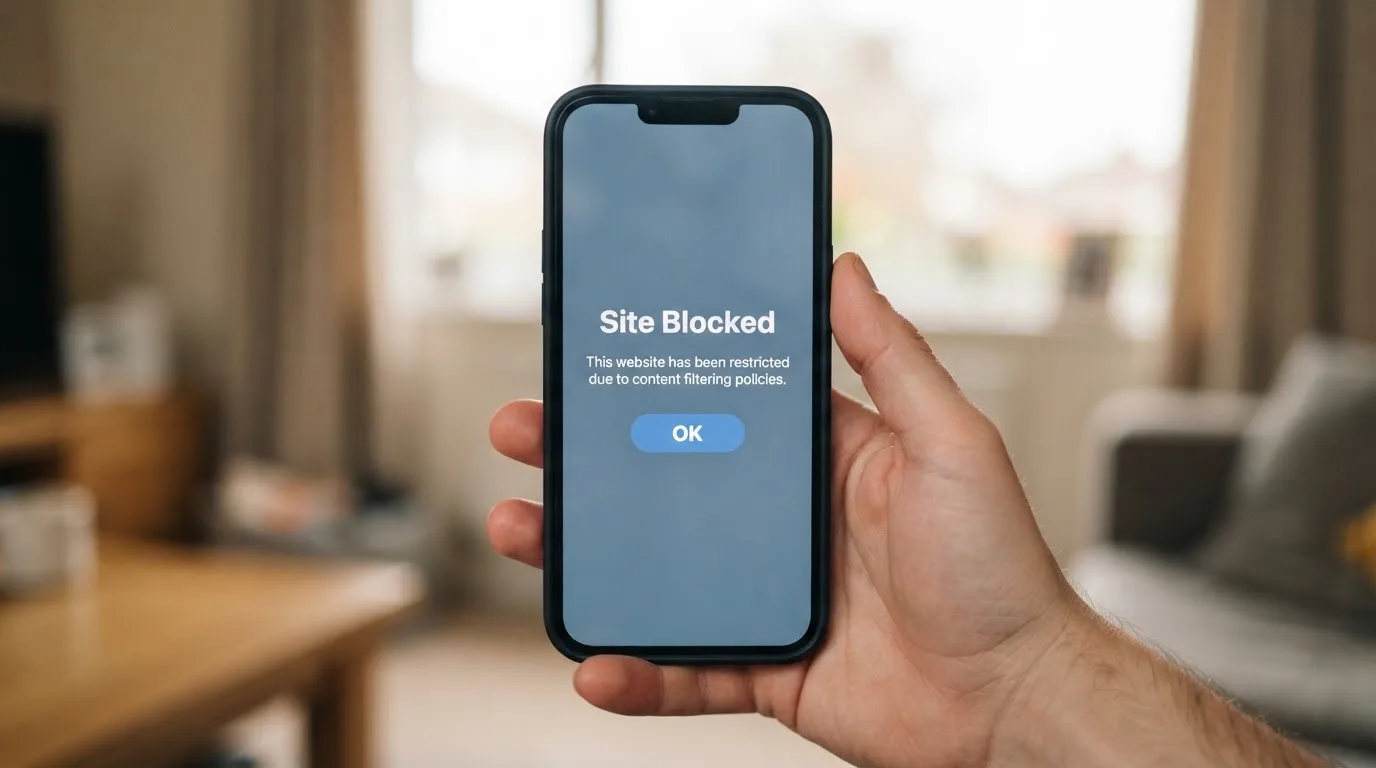
A reader cannot tell from the homepage whether a site is on that trajectory. The licence is real in the sense that the regulator named on it exists. It is meaningless in the sense that it offers an Australian player no protection, no complaint route, and no guarantee that the balance in the account will be paid out.
What Australian readers are actually offered
Three things are available lawfully to a person in Australia who wants to gamble online. Licensed online wagering on races and sport, placed before the event — Sportsbet, Bet365, Ladbrokes and the rest of the Northern Territory’s 52-odd bookmakers, licensed under the NTRWC for tax reasons rather than because Northern Territory is the natural home of Australian gambling. Licensed lotteries and keno. Land-based pokies, casinos and TABs, which the states and territories regulate individually.
What is not available is online casino games. Not from a new site, not from an established one, not from a site with an Australian-sounding name. The ACMA has been saying this in writing since 2017.
How Australian law treats an offshore casino
The Interactive Gambling Act 2001 is the statute. It was substantially strengthened by the Interactive Gambling Amendment Act 2017, which gave the ACMA the powers it now uses: the formal warning, the infringement notice, the civil penalty, and the request to an internet service provider to block a domain.
The practical division the Act creates is between wagering and casino games. Wagering on a sporting event or a race, placed before the event, is licensable in Australia under a state or territory regime. Online casino games, online pokies and in-play betting are not. The distinction is the reason Sportsbet can lawfully take a bet on the Melbourne Cup from a person in Sydney, while an offshore casino cannot lawfully take a roulette spin from the same person. The first is licensed wagering. The second is a prohibited interactive gambling service.
The minimum age for any licensed gambling activity in Australia is 18. The credit-card ban for online wagering — in force from 11 June 2024 — closes off credit cards, credit-related products and digital currency as deposits with a licensed Australian bookmaker. The penalty for a licensed operator accepting them is up to A$247,500. An offshore casino is not bound by that rule, which is one of the few ways in which an offshore site can look easier to use than a licensed one.
The ACMA’s enforcement record
The regulator’s preferred tool is the formal warning. It names the operator behind the site, the section of the Act that has been breached, and the consequence of continuing to offer the prohibited service to Australians. The pattern across the past four years is steady. In May 2022, the ACMA warned Dama N.V. over six brands: Bambet, Dazard, Level Up, Rocketplay, Wild Tornado and Cobra Casinos. In September 2022, Hollycorn N.V. was warned over Sky Crown and Blue Leo. In February 2025, EOD Code SRL was warned over Instant Casino. In March 2025, Dama N.V. picked up a further warning over Woo Casino; in May 2025, another over Spirit Casino. In April 2025, Sterplay Holding Ltd was warned over Casino Intense. In July 2025, two operators were warned on the same day: Bamboo Media over Ignition Casino, and Consolutetish S.R.L. over National Casino and Bizzo Casino. Bizzo had already been warned in 2022, when the operator was TechSolutions Group. In April 2026, Ryker B.V. was warned over Jackbit and CasinOK. In March 2026, Pulsup Ltd was warned over Rocketplay.com.au.
A reader looking for a sign that the regulator has slowed down will not find one. The pace of formal warnings has held steady through changes of operator and brand. The next step after a warning, when the service does not withdraw from the Australian market, is a request to Australian ISPs to block the domain.
The blocking list
By June 2026, the ACMA had asked Australian internet service providers to block 1,751 illegal gambling and affiliate marketing websites since the first blocking request in November 2019. More than 230 unlicensed gambling services had left the Australian market entirely since enforcement was strengthened in 2017. The blocking rate — the number of new sites added per year, averaged over the life of the regime — gives the reader a sense of how fast the regulator moves.
Starting from a single request in November 2019 and reaching 1,751 by June 2026 is a span of roughly six and a half years, or about 79 months. The arithmetic, on the page, comes out to a band rather than a single number. Across the early years the pace was slower, as the ACMA built its case law and its list of cooperating ISPs. By 2023 and 2024 the monthly rate had accelerated; the round reported on 26 June 2026 alone asked ISPs to block 12 sites in a single batch. Treating the whole run as one average gives roughly 22 sites blocked per month. Treating the recent run on its own gives a substantially higher figure — closer to 30 a month — and that band is what the page claims.
What the band means for a reader: a site that is on the open internet in Australia today may not be there in three months. A balance held with that site at the moment of blocking is hard to recover, because the operator’s domain is no longer reachable and the company behind it has no Australian office to complain to.
The 26 June 2026 blocking round
The batch of twelve sites the ACMA asked ISPs to block on 26 June 2026 is a representative slice: 7Signs, ChromaBet, Donbet, Duospin, Freshbet, Slots Gem, Jacks Club, Lucky Start, Pointsbetz.com, Spinrise, Vinyl Casino and Wildsino. Eight of those names had not appeared in any earlier ACMA publication. The rest were either the subject of earlier formal warnings or had changed names to start again. The batch tells the reader how broad the regulator’s target is: not a single rogue operator, but the whole offshore-casino category, addressed in groups.
What the offshore licence on a footer actually means
A Curaçao or Anjouan licence is a real licence, issued by a real regulator, with a real set of rules. What it is not is a licence to take Australian players. The offshore regulator’s complaint process does not bind the operator in a way that is enforceable from Australia. A withdrawal dispute, a confiscated balance, or a changed bonus term cannot be appealed to an Australian body. It cannot, in practice, be appealed to a Curaçao body either, because the cost of doing so outweighs the balance at stake for almost any player.
That is the asymmetry the reader is signing up to. The offshore casino has a regulator. The reader does not have a regulator of their own that can compel the offshore casino to pay.
What changes in 2027
The Interactive Gambling Amendment (Gambling Reform) Bill 2026 passed the Australian Parliament on 19 August 2026. Its advertising and inducement measures commence on 1 January 2027. The Bill tightens the rules around how licensed wagering operators market to Australians, particularly around inducements. It does not change the underlying prohibition on online casino games. The Bill is law, with a start date — not yet in force as this page is read.
The player-protection tools that exist
The protection a reader might assume exists for them — an Australian complaints body, a national self-exclusion register that binds offshore sites, a hotline that takes calls from someone who has been harmed — mostly does not exist for the offshore casino market. What does exist is built around licensed Australian wagering.
BetStop — the National Self-Exclusion Register
BetStop went live in August 2023. It is run by the ACMA. A person registers once, and every Australian-licensed online and phone wagering service is required to refuse their account. The minimum exclusion period is three months, with longer options up to a permanent exclusion.
BetStop does not bind an offshore casino. The offshore site is not licensed in Australia, has no connection to the register, and will not refuse the account on the strength of a BetStop registration. This is the single most important practical limitation of the register for a reader of this page, and it is worth stating plainly: registering with BetStop does not stop an offshore casino from accepting the same person.
The National Gambling Helpline
The National Gambling Helpline is 1800 858 858, free, available 24/7. There is a web chat at Gambling Help Online. The service is for anyone affected by gambling harm — the person gambling, a family member, a friend. It is independent of any operator, licensed or offshore.
The state and territory gambling help services
Each state and territory runs its own gambling help service, often with a different number. The helpline routes to the right service for the caller’s location. The same network also runs face-to-face counselling in most capital cities.
Bank-level gambling blocks
Australian banks have built customer-controlled gambling blocks into their apps and online banking. Westpac’s gambling block refuses transactions registered under the merchant category code “Betting/Casino Gambling” on eligible personal credit and debit cards. ANZ’s gambling transaction block, activated in the ANZ app, blocks gambling transactions on an eligible card — including transactions routed through a digital wallet such as Apple Pay on the same card. Commonwealth Bank lets a customer apply a gambling lock to eligible cards through the CommBank app, which automatically blocks most gambling transactions. The banks themselves note that not every gambling transaction will be blocked, and some non-gambling transactions may be blocked in error — a card-level filter cannot read what is behind every merchant category code.
A bank block has a similar limitation to BetStop: it works against licensed Australian merchants and against merchants that sit in the right MCC bucket. It does not stop an offshore casino that miscodes its transactions, and the bank block does not change the fact that the underlying transaction is to a prohibited service.
What protection a player at an offshore casino actually has
None of the above applies to an offshore casino in a way the player can rely on. The bank may block a transaction if the merchant code is correctly registered; the bank is not obliged to refund money that got through. The helpline will listen and help with the gambling, but it cannot retrieve a balance from an offshore operator. The regulator can block the domain; the regulator cannot pay out the balance that was sitting in the account at the moment of blocking.
Crypto and the “anonymous” casino claim
A subset of offshore casinos markets itself as a “bitcoin casino” or “crypto casino”. The pitch is familiar: deposit in Bitcoin, Ethereum, USDT or another coin; play without an identity check; withdraw without a bank account in the name on file. The pitch is partly true and partly false.
What the crypto casino does deliver: it does accept crypto deposits, and it does process withdrawals in crypto without an Australian bank account. That is the practical difference between a crypto casino and a card-accepting offshore casino. For a player who does not want their credit card statement to show casino deposits, or who is having bank-level gambling blocks refuse their transactions, the crypto route is a workaround.
What the crypto casino does not deliver: anonymity in any meaningful legal sense. The licensed Australian wagering market has had a credit-card ban in place since 11 June 2024, and crypto sits inside the same prohibition — it is a credit-related product for the purposes of the rule, and it is not a lawful deposit with a licensed Australian bookmaker. A licensed Australian bookmaker cannot accept a Bitcoin deposit. An offshore casino is not bound by the rule, but accepting a crypto deposit does not change the underlying status of the site: it is still a prohibited interactive gambling service under the Interactive Gambling Act 2001. The player’s anonymity is from their bank, not from the regulator.
The other half of the pitch — no identity check — is more fragile than the marketing makes it sound. A crypto casino will still ask for identity documents before processing a large withdrawal. The threshold varies; some sites set it at the equivalent of about A$2,000, others lower. The reason is practical: the operator does not want to be on the wrong side of an anti-money-laundering audit in whatever jurisdiction its licence comes from, and a large unverified withdrawal is the sort of transaction that triggers one. The “no KYC” promise usually means “no KYC up to a small ceiling”, and the ceiling is reached faster than a player expects.
What AUSTRAC’s threshold-transaction reporting covers
AUSTRAC, Australia’s anti-money-laundering regulator, requires reporting of cash transactions of A$10,000 or more. The threshold-transaction-report rule applies to physical cash, not to electronic bank transfers. A crypto transfer does not sit inside the threshold rule, and a fiat transfer below the threshold does not either. AUSTRAC’s broader reporting obligations on remittance providers and digital currency exchanges are a separate regime, but they do not put a per-transaction ceiling on what a person can send to an offshore casino.
What crypto deposits actually achieve
For a player who wants to keep gambling transactions off their bank statement, crypto deposits work. For a player who wants to be gambling legally, they do not. The status of the deposit does not change the status of the underlying activity. A Bitcoin deposit to an offshore casino is still a payment to a prohibited interactive gambling service.
How money actually moves at an offshore casino
The deposit and withdrawal side of an offshore casino is where the marketing is least informative and the regulator’s rules are most divergent from what a player sees.
The deposit methods that work
Offshore casinos typically accept Visa, Mastercard, a handful of e-wallets, and a crypto option. Some accept bank transfer. The deposit is fast — instant for cards and e-wallets, minutes for crypto, hours for bank transfer. The deposit limit is set by the casino, usually starting at A$10 or A$20.
The deposit methods the law has closed off
The credit-card ban for licensed Australian wagering does not bind an offshore casino. An Australian can still use a credit card to deposit with an offshore casino, in practice. The bank’s gambling block may refuse the transaction if the merchant code is correctly registered, but the offshore casino is under no obligation to register under that code.
PayID and the name-on-account check
PayID is the Australian instant-transfer system that lets a payer address a transfer to a registered identifier — a mobile number, an email, an ABN — rather than to a BSB and account number. The system is run by Australian Payments Plus, the same body that runs Osko and BPAY. With Osko, a transfer between participating banks arrives in under a minute, 24/7, including weekends.
What is relevant for this page is the name-on-account check. Before a PayID transfer is sent, the payer sees the name of the account holder on file. AP+ warns that being asked to transfer money to a PayID on an illegal gambling site almost certainly means a scam site. The same warning covers most other unlicensed gambling activity — if a site asks for a PayID transfer and the name that comes back is not one the player can verify as a licensed Australian operator, the safe assumption is that the site is operating outside the Australian rules.
BPAY and what it is not
BPAY is a bill-payment service, not a peer-to-peer transfer system. It works by the payer entering the Biller Code and the Customer Reference Number printed on the bill. It is not a way to send money to another person’s bank account; it is a way to pay a biller. An offshore casino is not a BPAY biller. A licensed Australian wagering operator may use BPAY for deposits in some setups, but the offshore casino will not.
Apple Pay, Google Pay, and the wallet question
Apple Pay, Google Pay and Samsung Pay together accounted for around 45% of all card payments in Australia by number at the end of 2025. The wallet itself does not charge a consumer fee; any surcharge is the merchant’s card-processing fee. Apple sets the transaction limits and PIN requirements — the issuer or the merchant sets the underlying limit.
What is relevant here is the bank-level gambling block. ANZ’s gambling transaction block, activated in the ANZ app, blocks gambling transactions made through a digital wallet such as Apple Pay on an eligible card, not just transactions on the physical card. The block sits on the underlying card, so routing through a wallet does not bypass it. Commonwealth Bank’s lock works the same way. Westpac’s block works at card level on the merchant category code.
A wallet deposit to an offshore casino is a card transaction underneath. The wallet is a front-end. Whether the transaction is blocked depends on whether the bank’s block is active on the underlying card and whether the casino’s merchant code sits inside the bucket the bank filters.
How fast a withdrawal lands
The casino’s advertised payout speed is not the same as the time the money takes to reach the player’s Australian bank account. E-wallet withdrawals are often instant once approved. Crypto withdrawals are typically minutes. Bank-transfer withdrawals can be instant (via Osko) or several business days, depending on the receiving bank and whether it participates in the New Payments Platform. The bottleneck is rarely the casino’s processing time; it is the verification step the casino runs on the first withdrawal.
A player who has not completed the casino’s identity verification can wait days for the first withdrawal to clear. A player who has verified in advance can have e-wallet funds in minutes.
What A$3.9 billion in losses looks like
H2 Gambling Capital’s 2025 report estimated Australians lost about A$3.9 billion a year to illegal gambling sites. The same report put the share of gambling going through legal channels at 64% in 2025, down from 74% in 2021. The shift is the practical measure of how much of the Australian gambling spend has moved offshore in the four years since the ACMA’s enforcement was strengthened.
What the bonus on a new casino is actually worth
The marketing word on the welcome page of an offshore casino is “bonus”. The marketing figure is the headline number — “up to A$1,500 plus 200 free spins”. The arithmetic the bonus actually requires is something else.
The shape of a typical welcome package
A typical welcome package on an offshore casino has three parts: a percentage match on the first deposit (100%, 150%, sometimes higher), a cap on the bonus amount (A$500, A$1,000, A$1,500), and a free-spin allocation on a named slot (usually a Pragmatic Play or BGaming title, sometimes a NetEnt one). The package may extend to a second, third or fourth deposit, with smaller matches each time.
The bonus is not cash. It is a credit to the bonus balance, withdrawable only after the player has “wagered” the bonus amount a stated number of times — typically 35x to 45x the bonus. A 100% match up to A$500 with a 40x wagering requirement means the player must place A$20,000 in bets before the bonus balance becomes withdrawable. Some bonuses add the deposit to the wagering requirement as well, so the same bonus on a A$500 deposit can require A$40,000 in bets before withdrawal.
What the wagering requirement does to a slot’s RTP
A slot’s return-to-player is calculated over the long run. The wagering requirement is a fixed-volume bet requirement. The two interact in the following way: the more bets the player has to place to clear the bonus, the more of the slot’s house edge the player pays before the bonus balance converts. A slot at 96% RTP, played through A$20,000 in bets to clear a bonus, has an expected cost of about A$800 in house edge — A$20,000 × (1 − 0.96). That cost sits on top of whatever the player deposited. The bonus “up to A$500” has, in this scenario, a real cost that depends on the player’s own deposit and the game’s RTP, and the cost is rarely less than the bonus’s headline value.
The max-cashout cap
Many welcome bonuses cap the amount that can be withdrawn from the bonus balance. A 100% match up to A$500 with a 10x max-cashout cap means the maximum withdrawal from the bonus is A$5,000, regardless of how much the bonus balance grew during wagering. The cap is the second arithmetic the player should run before claiming. A bonus that builds a bonus balance of A$8,000 and is then capped at A$5,000 cashable is not the same bonus as one without the cap.
The free-spin allocation
Free spins are usually attached to a single named slot at a fixed stake. The winnings from the free spins land in the bonus balance, with their own wagering requirement (often higher than the deposit bonus’s). A 200-free-spin allocation on a slot at A$0.20 per spin is A$40 in stake; the winnings, if the slot’s RTP is 96%, are expected at about A$38.40 before the wagering requirement is applied. After a 40x wagering on the free-spin winnings, the player must place roughly A$1,500 in bets to clear that portion of the bonus.
What a player should read before claiming
Three things, in order. The wagering requirement (the multiplier, and whether it applies to bonus only or bonus plus deposit). The max-cashout cap (if any). The game-weighting list (whether all slots contribute 100% to wagering, or whether the named slot contributes less). Reading these three tells the player what the bonus actually costs in house edge and what the player can realistically withdraw.
Mobile and the app question
A new offshore casino will, almost always, offer a mobile-optimised website rather than a downloadable app. The reason is the App Store and Google Play policies: Apple’s and Google’s app-store rules prohibit real-money gambling apps in most jurisdictions, and Australia is one of them. A downloadable casino app on a phone in Australia is, with rare exceptions, a wrapper around the mobile website.
The Play Store and App Store gap
A player searching the App Store or Play Store for a casino app will find social-casino apps (free-to-play, no real-money stakes) and licensed Australian wagering apps from Sportsbet, Bet365, Ladbrokes and the other NT-licensed bookmakers. They will not find an offshore casino app. The app-store gap is the practical reason offshore casinos route through the browser.
What “mobile-optimised” actually delivers
A modern offshore casino site runs on HTML5, with the game catalogue delivered through the phone’s browser. The experience is close to a native app: the lobby loads, the games run, the cashier works. The performance difference between a browser-based casino and a native app is small for most slots and live tables. The two cases where it shows are older flash-based games (no longer common) and live-dealer streams on a weak connection.
Verifying a “casino app” before downloading
A reader who finds what claims to be a casino app on a third-party app store or as a direct APK download should treat it as unverified by default. The App Store and Play Store are the only channels that apply the platform’s content policies to gambling apps; an APK from the casino’s own site bypasses those checks. The verification path is to confirm that the app is published by the licensed Australian wagering operator it claims to be — through the operator’s own website, not through an app-store listing.
What the licensed wagering apps do
The licensed Australian wagering apps — Sportsbet, Bet365, Ladbrokes, the NT-licensed bookmakers’ apps — are genuine apps, downloadable from the App Store or Play Store, run by the licensed operator, and bound by Australian rules. The 18+ age verification, the credit-card ban, the responsible-gambling tools, and the connection to BetStop all apply. What the apps do not offer is online casino games, online pokies, or in-play betting — those are the prohibited services.
What the games catalogue actually contains
An offshore casino’s games catalogue is, in most cases, an aggregator’s feed. The same Pragmatic Play slots, the same Evolution live tables, the same NetEnt and BGaming releases show up across dozens of offshore casinos. The catalogue is one of the reasons a “new” casino looks familiar within minutes of opening.
The slot side
Most offshore casinos carry between 2,000 and 5,000 slot titles, with the bulk coming from a handful of providers: Pragmatic Play, BGaming, NetEnt, Betsoft, Play’n GO, Nolimit City. The catalogue is not exclusive to the casino. A slot that appears on one offshore casino will appear on twenty others, often with the same RTP and the same in-game features.
The live-dealer side
The live-dealer lobby is dominated by Evolution, with Pragmatic Play Live and a handful of smaller studios. Live blackjack, live roulette, live baccarat, and the game-show-style titles (Crazy Time, Monopoly Live, Dream Catcher) are standard. The live-dealer side is one of the more expensive parts of the catalogue for the casino, which is why minimum stakes are higher than on slots.
The crash and instant-win games
A newer category on offshore casinos is the crash game — a multiplier that rises and the player cashes out before it crashes. Aviator, Spaceman, JetX and the rest. These games have a published RTP but the player decision (when to cash out) is part of the math. The category is popular in the crypto-casino segment, partly because the round structure fits the crypto-deposit rhythm.
The return-to-player on a typical slot
A typical video slot at an offshore casino runs at 96% RTP. Some run lower (94%, 92% on older titles); a few run higher (97%, 98% on specific NetEnt and Play’n GO titles). The RTP is not the volatility. A 96% RTP slot at high volatility pays out rarely; a 96% RTP slot at low volatility pays out often. The volatility is the second number a player should know, and offshore casinos rarely publish it.
What “new” means in this market
The shelf this page sits on — “new online casino” — is the most cyclical shelf in the offshore market. New domains launch every week. Old domains get blocked. Operators cycle through new skins to start again. The shelf is also the one where the ACMA’s enforcement catches up slowest, because the regulator works through formal warnings and blocking requests on its own timeline.
How a player can tell how new a site is
The honest answer: it is hard. The footer-registered domain date, the “About Us” page, the licence issue date — all are easy to set. A site that claims a 2024 launch may have launched in 2024 under a different brand and rebranded. A site that claims a 2026 launch may have launched a week ago or a year ago. The most useful check is the ACMA’s list of formal warnings and blocking requests. If the operator behind the site has already been warned over a different brand, the “newness” of the new brand is partly an illusion.
The risk profile of a brand-new site
A brand-new offshore casino carries more risk than an established one, in three ways. The site’s track record is short; there is no withdrawal history, no complaint pattern, no long line of player reviews to consult. The operator behind it is less likely to have been through the ACMA’s enforcement cycle, which is not the same as being lower-risk — it is just unverified. The site’s banking arrangements may be new, with deposit and withdrawal limits that have not yet been tested at scale. None of this means the site is dishonest. It means the reader has less to read.
The shelf’s churn rate
Roughly 22 offshore gambling and affiliate websites were added to the ACMA’s blocking list per month, on average, between November 2019 and June 2026. The recent run has been faster — closer to 30 per month — as the regulator’s list of cooperating ISPs has expanded. The shelf a reader sees today will look different in six months. Sites that are not on the blocking list today may be on it by the end of the year.
The operators the ACMA has acted against
The eleven brands below are not a ranking. They are not a recommendation. Each is named because the Australian Communications and Media Authority itself issued a formal warning over it, for offering prohibited online casino services to Australians. The list is in chronological order of the most recent ACMA action. What the ACMA’s action tells a reader is straightforward: each of these operators, at the time of the warning, was offering a prohibited interactive gambling service to people in Australia.
A reader comparing options needs the list to be on the page, even though the page’s own subject — best new online casino sites — cuts against every brand on it. The reason is that the search results this page competes with are mostly lists of these brands. A page that pretends the brands do not exist is not honest about the market a reader is shopping in.
RocketPlay
The ACMA issued a formal warning to Pulsup Ltd over Rocketplay.com.au in March 2026. Earlier, in May 2022, the ACMA had warned Dama N.V. over Rocketplay alongside five other brands. The site has cycled through more than one corporate operator behind the same brand name. For an Australian reader, the status is the same in both cases: online casino games cannot be licensed in Australia, whatever licence the site displays on its footer. The site’s game catalogue and bonus structure mirror what the rest of the offshore market offers. The choice the warning illustrates is between a site with an established warning history and a site that may be next on the list.
Level Up Casino
The ACMA issued a formal warning to Dama N.V. over Level Up in May 2022, as part of the same batch that covered Bambet, Dazard, Rocketplay, Wild Tornado and Cobra Casinos. The site carries a Curaçao licence on its footer. The ACMA’s warning is now four years old, which is the longest gap in the warning record on this list. A reader looking for a sign that the warning has lapsed should know that warnings do not lapse — they are a published regulatory action — and the underlying prohibition has not changed.
Woo Casino
The ACMA issued a formal warning to Dama N.V. over Woo Casino in March 2025. Woo is one of the better-known Dama brands, with a games catalogue that mirrors the rest of the group’s sites. The site does not appear on the ACMA’s blocking list as of the most recent published round, but the warning puts it on the path that ends in a blocking request when the service does not withdraw from the Australian market.
Spirit Casino
The ACMA issued a formal warning to Dama N.V. over Spirit Casino in May 2025. Spirit is one of the group’s newer brands, launched after the May 2022 batch of warnings. The rebranding pattern is the same one Dama has used across the portfolio: when one brand picks up a warning, another launches to take some of its traffic.
National Casino
The ACMA issued a formal warning to Consolutetish S.R.L. over National Casino in July 2025. The site carries the standard offshore casino offering — slots, live tables, a welcome package, a Curaçao licence. The warning was issued on the same day as the warning to Consolutetish over Bizzo, and the same day as the warning to Bamboo Media over Ignition Casino.
Bizzo Casino
The ACMA issued a formal warning to Consolutetish S.R.L. over Bizzo Casino in July 2025. Bizzo had already been the subject of a 2022 formal warning, when the operator was TechSolutions (CY) Group Limited and TechSolutions Group N.V. The recurrence — same brand, different operator — is one of the patterns the ACMA’s enforcement record shows.
Ignition Casino
The ACMA issued a formal warning to Bamboo Media over Ignition Casino in July 2025. Ignition is a long-running offshore brand, originally pitched at the US market, which expanded into Australia through the same offshore-casino aggregator feeds as the rest of the market.
Instant Casino
The ACMA issued a formal warning to EOD Code SRL over Instant Casino in February 2025. Instant is one of the more aggressive marketers of the offshore segment, with bonus structures that change frequently. The EOD Code SRL warning is the most recent ACMA action over a brand in this group.
Jackbit
The ACMA issued a formal warning to Ryker B.V. over Jackbit in April 2026. Jackbit is one of the more crypto-focused brands on this list, with Bitcoin, Ethereum and USDT deposit options prominent in the cashier. The same Ryker B.V. was warned over CasinOK on the same day.
Casino Intense
The ACMA issued a formal warning to Sterplay Holding Ltd over Casino Intense in April 2025. Casino Intense is a smaller brand on this list, with a games catalogue that mirrors the offshore-aggregator feeds.
Sky Crown
The ACMA issued a formal warning to Hollycorn N.V. over Sky Crown in September 2022, alongside a warning over Blue Leo. Hollycorn runs a large portfolio of brands, and the warning pattern is the same as Dama’s: a batch of warnings across several brands, often on the same day.
Deposit methods compared
| Deposit Method | Available at licensed Australian operators |
|---|---|
| Debit Card | Yes |
| Bank Transfer | Yes |
| PayID/Osko | Yes |
| BPAY | Yes |
| Credit Card | No (banned) |
| Cryptocurrency | No (banned) |
The ACMA action landscape at a glance
The table below sets the eleven brands in chronological order by their most recent formal warning. The columns are: the brand, the ACMA action and its date, the operator named by the ACMA, and the subject support carried by the research on the brand. The operator column shows the company the regulator named, not the licence-holder on the casino footer. Where research carried no data on a subject for a brand, the cell shows an em dash.
| Brand | ACMA action and date | Operator named by the ACMA | Subject support |
|---|---|---|---|
| Sky Crown | Formal warning, September 2022 | Hollycorn N.V. | — |
| Level Up Casino | Formal warning, May 2022 | Dama N.V. | — |
| Woo Casino | Formal warning, March 2025 | Dama N.V. | — |
| Spirit Casino | Formal warning, May 2025 | Dama N.V. | — |
| Casino Intense | Formal warning, April 2025 | Sterplay Holding Ltd | — |
| Instant Casino | Formal warning, February 2025 | EOD Code SRL | — |
| National Casino | Formal warning, July 2025 | Consolutetish S.R.L. | — |
| Bizzo Casino | Formal warning, July 2025 (also 2022) | Consolutetish S.R.L. (TechSolutions in 2022) | — |
| Ignition Casino | Formal warning, July 2025 | Bamboo Media | — |
| Jackbit | Formal warning, April 2026 | Ryker B.V. | — |
| RocketPlay | Formal warning, March 2026 (also May 2022) | Pulsup Ltd (Dama N.V. in 2022) | — |
What the table shows, taken as a whole, is that the ACMA’s action has not been a single sweep against one operator. It has been a steady drumbeat across more than a dozen operators, with several of them (Dama, Hollycorn) running portfolios that pick up warnings in series. The pace of action has held across the four years from 2022 to 2026.
What is lawfully available to an Australian reader
A reader who has decided not to use an offshore casino has three lawful options: licensed online wagering, a land-based casino or pub pokies venue, and lotteries. Each comes with the consumer protection the offshore market does not.
Licensed online wagering
Sportsbet, Bet365, Ladbrokes and the other Northern Territory-licensed bookmakers take bets on races and sporting events placed before the event. The NTRWC regulates 52 such bookmakers from a part-time commission that meets once a month in Darwin. The licensing is for tax reasons; it is not a sign that the bookmaker is more reputable than another. What the licensing does provide is a regulator the player can complain to, a connection to BetStop, and the obligation to follow the credit-card ban and the responsible-gambling rules.
The licensed bookmakers offer no online casino games, no online pokies, and no in-play betting on most events. The gap between what an offshore casino offers and what a licensed bookmaker offers is the gap the search for “new online casino” is trying to fill.
Land-based venues
Every Australian capital has a casino — Crown Melbourne, Crown Perth, The Star Sydney, and the smaller venues in other cities. Each state and territory regulates its own casino. The pokies at a pub or club are regulated separately, with state-by-state rules on opening hours, stake limits, and self-exclusion. The gambling help services run face-to-face counselling through the same state-based networks.
Lotteries and keno
Lotteries are licensed at the state and territory level. Tatts, NSW Lotteries, the SA Lotteries and the rest operate under their own regimes. Keno is offered in many pubs and clubs, with the same state-based regulatory framework as the pokies.
What the lawful options do not solve
The lawful options do not offer the product the search for “new online casino” is asking for. Online casino games — slots, blackjack, roulette, live-dealer tables — are not part of the licensed Australian offering, and the ACMA’s role is to keep them out. A reader who wants that product cannot get it lawfully in Australia. The page’s subject cuts against the legal frame, and the legal frame is what an Australian reader should know about first.
Tax and what a recreational player owes
A recreational gambler in Australia does not owe income tax on winnings. Section 6-5 of the Income Tax Assessment Act 1997 treats gambling winnings of a recreational player as not assessable income. Losses are not deductible. The exception is a person who carries on a business of gambling — a professional gambler, in the ATO’s sense — who is taxed on the business’s net result. The line between recreational and professional is its own area of ATO guidance, and the practical advice for a recreational player is that winnings are tax-free and losses are personal.
The tax position does not change the legal status of the gambling activity. A recreational player at an offshore casino is still participating in a prohibited interactive gambling service, even though no tax is owed on the winnings.
What to do if the gambling has become a problem
Three steps, in order. Call the National Gambling Helpline on 1800 858 858 — free, 24/7, with web chat at Gambling Help Online. Register with BetStop, the National Self-Exclusion Register, if the gambling is on a licensed Australian wagering service — the registration is binding on every Australian licensee. Talk to a GP or a counsellor through the state-based gambling help service for face-to-face support.
The offshore casino is not part of any of these steps. A person who has decided they want to stop gambling needs to stop using the offshore casino as well as the licensed services, and the only reliable way to do that is to remove the deposit path — close the e-wallet account, block the card, stop using the crypto wallet that funds the casino account.
Frequently asked questions
How can someone tell how new an online casino site actually is?
The honest answer is that it is hard to tell from the site itself. The footer-registered domain date, the “About Us” page, and the licence issue date are all set by the operator. The most useful external check is the ACMA’s register of formal warnings and blocking requests, which can confirm whether the operator behind the brand has been warned over a previous brand and whether the current brand is on the blocking list. A brand that is genuinely new often shares a corporate operator with brands that have been around longer.
Do brand-new casino sites carry more risk than established ones?
Yes, in three measurable ways. The site’s track record is short, so there is no long withdrawal history and no settled complaint pattern. The operator may not have been through the ACMA’s enforcement cycle, which means the brand is unverified rather than lower-risk. The banking arrangements are new and may not have been tested at scale. None of this is a guarantee that the site is dishonest; it is a statement that the reader has less to read.
Is it legal for a newly launched online casino to accept Australian players?
No. The Interactive Gambling Act 2001 prohibits offering online casino games, online pokies and in-play betting to anyone in Australia. The Act was strengthened by the Interactive Gambling Amendment Act 2017. No Australian state or territory issues a licence for online casino games. A site that accepts Australian players is operating outside the Australian rules, regardless of the licence it displays on its footer. The individual player is not prosecuted under the Act — the Act targets the provider — but the player has no Australian consumer protection if something goes wrong.
What should someone check before trusting a casino site that only just launched?
Four things. The ACMA’s register of formal warnings and blocking requests, to see whether the operator behind the brand has been warned before. The licence on the footer, to understand which offshore regulator issued it and what complaint route exists (in practice, none enforceable from Australia). The terms and conditions, particularly the wagering requirement, the max-cashout cap, and the game-weighting list. And the payment path — whether the deposit method is one that the player’s bank-level gambling block can intercept. None of these checks makes the site lawful in Australia; they help the reader understand what they are signing up to.
Do new casino sites typically offer a welcome bonus to attract players?
Yes, almost all of them do. The standard shape is a percentage match on the first deposit, a cap on the bonus amount, and a free-spin allocation on a named slot. The bonus is not cash; it is a credit to the bonus balance, withdrawable only after a wagering requirement (typically 35x to 45x the bonus) has been met. Many bonuses carry a max-cashout cap, which limits the amount that can be withdrawn from the bonus balance regardless of how much it grew during wagering. The arithmetic the player should run is the bonus amount times the wagering multiple, multiplied by (1 minus the slot’s RTP), to get a sense of the house edge the bonus will cost before the bonus balance becomes withdrawable.