
No-wagering casino bonuses in Australia for 2026: the marketing, the licence gap, and what the offer is really worth
The phrase “no wagering” travels with a clear pitch: take a bonus, win something, withdraw it. Read carefully, the picture is smaller than the banner. This page goes through what genuinely wager-free offers are marketed to do, where the legal frame leaves an Australian punter standing, and what the comparison among eleven brands that the Australian Communications and Media Authority has already acted against actually shows.

Data current as of 29 October 2026 and cross-checked against the ACMA’s formal-warning register.
Table of Contents
- What a “no wagering” bonus actually means, and what it does not
- The licence gap: no state or territory permits what these sites sell
- How Australians are kept out: the blocking rate the ACMA is running
- Player safety: BetStop, the helpline, and what they actually cover
- Crypto on no-wagering sites: faster rails, the same legal gap
- How no-wagering offers are actually paid out: the payment-rail picture
- The mechanics of the offers themselves: matched deposits, free spins, no-deposit bundles
- What the ACMA has actually done: a comparison of eleven brands
- Where this leaves an Australian punter reading a no-wagering page in 2026
- Frequently asked questions
What a “no wagering” bonus actually means, and what it does not
A bonus carries a wagering requirement when the casino asks the player to bet the bonus — sometimes the deposit too — a set number of times before any winnings can be taken out. A 35x wager on a A$100 bonus means A$3,500 in qualifying bets before the cashier unlocks a withdrawal. Strip that multiplier out and, on the surface, anything won from the bonus is withdrawable from the first spin. That is the entire promise. It is also where most of what gets sold as “no wagering” quietly stops being a free lunch.

Three things routinely sit beside the headline and rarely appear in the same font size. Game weighting is one: even on a wager-free bonus, roulette and blackjack often contribute 0% toward whatever other condition still applies — a maximum cash-out cap, for instance, or a “bonus abuse” rule. Maximum cash-out caps are another. A “no wagering” free-spins bundle that pays out in capped cash is still capped. Country restrictions are the third: a bonus marketed as wager-free globally can carry a separate terms page for Australian accounts that imposes a withdrawal limit the global page never mentions.
These caveats are not unique to wager-free offers. They are exactly the kind of fine print that any casino bonus carries, and on a wager-free bonus they are the only friction left. The wagering multiplier is gone; everything else is still in the document. Reading it is the difference between “free money” and “free money, up to a ceiling, on the games the house has chosen.”
See also What a no-deposit free spins offer really costs an Australian player.
The licence gap: no state or territory permits what these sites sell
The legal frame for online gambling in Australia is short and unusually clean. The Interactive Gambling Act 2001, hardened by the 2017 amendments, makes it an offence to provide online casino games or online pokies to a person physically in Australia. In-play betting on sport sits in the same prohibition. No state or territory issues a licence for online casino games; the licence that does exist — and that Northern Territory Racing and Wagering Commission (NTRWC) holds — covers wagering on races and sport placed before the event, lotteries and keno. The NTRWC regulates 52 online bookmakers, including the well-known names like Sportsbet, Bet365 and Ladbrokes; it has no full-time staff and meets once a month in Darwin.
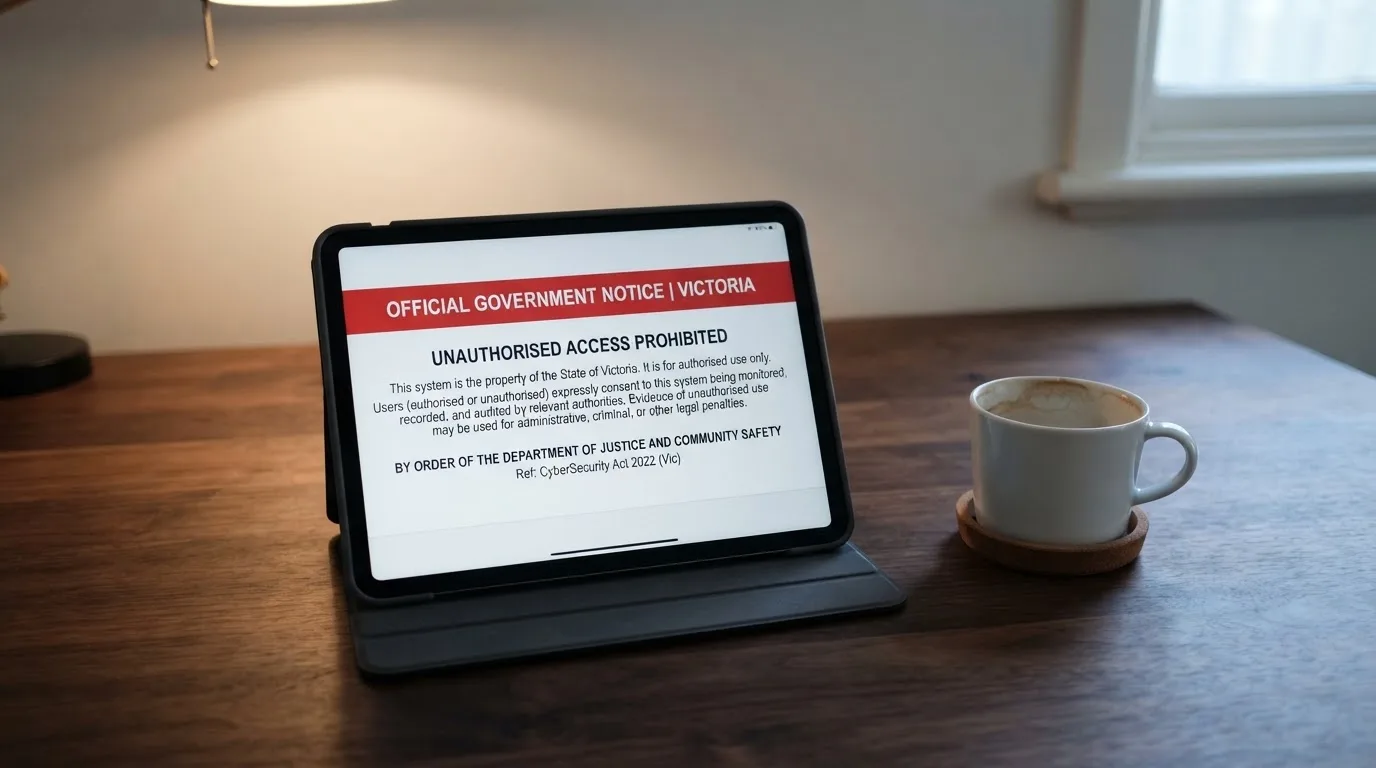
So when a casino site displays a “Curacao licence” or a “Kahnawake licence” footer, that licence permits it to operate in those jurisdictions. It does not permit it to take bets from inside Australia. The site is offshore, the operator is offshore, the dispute resolution is offshore, and the body that could force a payout is none of Australia’s. A blocked site can take an account balance with it when it goes.
A player is not prosecuted under the IGA. The Act targets the provider. What the player loses, when an offshore site refuses a withdrawal, closes, or simply stops answering, is the entire Australian consumer-protection layer: no AFCA complaint, no state tribunal, no EDR scheme, no BetStop coverage if the player needs to step away. The account is sitting on a site that does not exist in Australian law.
How Australians are kept out: the blocking rate the ACMA is running
The ACMA’s lever against offshore casinos is the one the IGA gives it: ask Australian internet service providers to block the site at the DNS or routing level, and publish the names so affiliates stop sending traffic. It has used it consistently.
Cumulative count of illegal gambling and affiliate marketing websites blocked in Australia: 1,751, as reported in June 2026. The first blocking request went out in November 2019. Working the dates: roughly 80 months between November 2019 and June 2026, which puts the average run-rate at close to 22 blocks a month, or one site roughly every 36 hours.
| Metric | Statistic |
|---|---|
| Total illegal sites blocked | 1,751 |
| First blocking request | November 2019 |
| Estimated monthly blocking rate | ~22 sites |
That is a band, not a constant — single blocking rounds in 2025 and 2026 have moved twelve sites at a time — but the underlying pace is what the figure captures. The regulator is not catching up. It is grinding through a pipeline.
A second statistic sharpens the frame. A 2025 industry report estimates that Australians lose about A$3.9 billion a year to illegal gambling sites at about A$3.9 billion a year, and the share of gambling going through legal channels fell from 74% in 2021 to 64% by 2025. The legal market is shrinking as a proportion of the whole while the ACMA runs a blocking round every few weeks. The pipeline is not getting shorter.
This is the backdrop against which every “no wagering casino bonus Australia” offer exists. The site is, by the regulator’s own classification, providing a prohibited interactive gambling service. The “no wagering” tag is real marketing copy on a product the Australian law does not let it sell. Reading the small print on the bonus is necessary. Reading the legal status of the operator is more so.
Player safety: BetStop, the helpline, and what they actually cover
The Australian player-protection layer is built for Australian-licensed operators and stops where they stop.
BetStop — the National Self-Exclusion Register, live since August 2023 — lets a person exclude themselves from every Australian-licensed online and phone wagering service in one registration. It is comprehensive within its scope: a BetStop exclusion cannot be lifted early, and every licensed operator is required to honour it. Its scope is the licensed market. An offshore casino is not on the register, will not check it, and the player who has self-excluded has no technical mechanism stopping them from opening an offshore account during the exclusion period. The exclusion covers what the law covers. It does not cover the offshore gap.
The National Gambling Helpline — 1800 858 858 — is free, 24/7, with chat available through Gambling Help Online. It is the right first call for someone whose play has moved past what they meant it to. It works regardless of where the gambling happened.
Bank-side controls sit in the same frame and are stronger than the casino-side ones. ANZ, Commonwealth Bank and Westpac all offer card-level gambling blocks. ANZ’s block, once set, requires a 48-hour waiting period to lift, and the bank warns that not every gambling transaction will be blocked and some non-gambling ones may be caught by mistake. Westpac’s block refuses authorisations on transactions carrying the merchant category code for “Betting/Casino Gambling” on eligible personal credit and debit cards. Commonwealth Bank’s lock in the CommBank app covers most gambling transactions, with the same caveat about completeness. These are blunt instruments at the card rail: they do not depend on the casino recognising the block, so they work on offshore sites as well as licensed ones.
Crypto on no-wagering sites: faster rails, the same legal gap
Bitcoin and other cryptocurrencies surface on “no wagering” pages for one straightforward reason: a crypto deposit skips the card networks that Australian banks now monitor and block. The transfer lands in the casino’s wallet in minutes; the bank sees only a withdrawal to an exchange or to a self-custody address, not a transaction tagged as gambling.
That speed comes at a price the marketing copy does not name. A crypto deposit to an offshore casino is, in Australian terms, an offshore payment for a prohibited interactive gambling service. The Interactive Gambling Act 2001, as amended in 2023, lists digital currency alongside credit cards and credit-related products as banned payment methods for licensed online wagering; an unlicensed operator is not bound by that list because it is not bound by the Act at all. The legal exposure sits with the provider. The practical exposure — no chargeback, no card-rail reversal, no Australian dispute path — sits with the player.
Crypto does solve a real problem that the no-wagering marketing leans on: payout speed. The same blockchain that takes the deposit in can carry the withdrawal out, often within an hour, without a payment processor acting as middleman. Compare that to a bank transfer held for 48 to 72 hours while the casino’s payments team “reviews” it, and the appeal is obvious. It is also the appeal of an unregulated corridor, which is what the bitcoin leg of an offshore casino journey is.
The Australian retail payments landscape has been moving in the opposite direction. By the end of 2025, Apple Pay, Google Pay and Samsung Pay together accounted for around 45% of Australian card payments by number. Under the IGA amendments, licensed operators cannot route a payment through a credit-funded wallet either; ANZ’s gambling block, set in the app, blocks gambling transactions made through Apple Pay on an eligible card, not just the plastic. A punter who has turned on every bank-side control they can find, and then funds a crypto wallet to side-step those controls, has stepped outside the system that was designed to make stepping away easier.
No-wagering casino bonuses in Australia for 2026 — More on this topic at casino providers.
How no-wagering offers are actually paid out: the payment-rail picture
Offshore marketing pages lean on three settlement speeds: instant for crypto, “minutes” for e-wallets, “1–3 business days” for bank transfer. The first is genuinely fast on the blockchain leg and genuinely outside the Australian payments infrastructure. The second depends on which e-wallet the casino accepts and how the player funds it. The third runs over SWIFT or SEPA from a foreign bank, which is where the delay lives — not at the Australian end.
| Payment Method | Typical Speed | Status in Australia |
|---|---|---|
| Crypto | Instant | Banned/Unsupported |
| E-wallets | Minutes | Variable |
| Bank Transfer | 1-3 Business Days | Offshore (Unsupported) |
Australian retail payments, by contrast, are fast and free at the bank-rail end for any legitimate purpose. Osko, the instant transfer service on the New Payments Platform, delivers a bank-to-bank transfer in under a minute, 24/7, including weekends, whether addressed to a BSB and account number or to a PayID. PayID transfers display the registered name of the account holder before the transfer is sent — Australian Payments Plus warns that being asked to send money to a PayID on an illegal gambling site is almost certainly a scam. The New Payments Platform went live to the public on 13 February 2018 and is owned by New Payments Platform Australia Ltd, a non-profit with thirteen shareholders including the Reserve Bank of Australia and the major banks; participants must keep monthly platform outages to two minutes or less. More than 25 million PayIDs were registered by April 2025 across over 100 Australian financial institutions. Over 150 banks and financial institutions offer BPAY, the bill-payment service that has been running since 18 November 1997; the payer enters a Biller Code and a Customer Reference Number from the bill. None of this matters for offshore casino withdrawals because the casino is not on the platform. The Australian rails are fast; the offshore site cannot use them.
Credit is the rail that is shut. Since 11 June 2024, Australian-licensed online wagering services cannot accept payment by credit card or other credit-related products, with penalties up to A$247,500 for operators who breach the rule. The credit ban covers linked digital wallets funded by credit as well — Apple Pay or Google Pay linked to a credit card cannot be used at a licensed bookmaker. The same rule is one of the levers the ACMA uses to decide whether a site is operating inside or outside the Australian frame. An offshore site asking for a credit card number is not asking inside the frame.
The mechanics of the offers themselves: matched deposits, free spins, no-deposit bundles
The marketing taxonomy for no-wagering offers has three shapes that recur. Knowing which is which is the difference between reading the page and reading the terms.
A matched deposit with no wagering pays a percentage of the player’s first deposit as a bonus — 100% up to A$500, say — and then sets the wagering multiplier to zero. What stays is everything else: game weighting (slots typically 100%, table games often 0%), maximum bet per spin while the bonus is active (commonly A$5), a list of excluded games, and usually a maximum cash-out cap. The matched-deposit shape is the one where the wagering multiplier’s removal makes the smallest difference, because the bonus value is tied to the player’s own deposit and the player would have wagered that deposit anyway.
A free-spins bundle with no wagering awards a fixed number of spins — 50 on a named slot, for instance — at a fixed stake per spin. Whatever the spins win is withdrawable, in principle, immediately. What stays is the maximum-cash-out cap (often A$100 on a no-deposit spins bundle), the slot the spins are locked to, the time window in which the spins must be used (commonly 24–72 hours), and the country-specific terms that may apply to Australian accounts. This shape is where “no wagering” does the most work: a free-spins bundle with a 40x wagering requirement can be worth almost nothing in cash terms; the same bundle at zero wagering can pay out the cap.
A no-deposit-and-no-wagering combo is the rarest of the three and the most aggressively marketed. The player registers, the casino credits the account with a small bonus — A$10 to A$25, sometimes a small spins bundle — and the player can withdraw winnings up to a stated cap without ever having deposited. The cap is what defines the offer’s value: a no-deposit offer at A$100 maximum cash-out is worth, in cash terms, exactly A$100 minus whatever the house edge eats on the way through the games the bonus is locked to. The marketing reads “free A$25, no wagering, withdraw winnings.” The arithmetic reads “up to A$100, on the games we say, in the time we say, after identity verification we say.”
The same arithmetic underwrites every one of those shapes, and it is the arithmetic the small print never quite spells out: the house edge is still in every spin, the game weighting still keeps the player on the slots, and the time pressure still does what time pressure does. Wagering requirements are one mechanism for converting bonus value into expected player loss. Their absence does not remove the conversion; it removes only that one mechanism.
What the ACMA has actually done: a comparison of eleven brands
What follows is not a ranking and not a recommendation. Each brand appears because the ACMA itself has issued a formal warning over it under the Interactive Gambling Act 2001, for offering prohibited services to Australians. The warnings are public; the date and the operator named on each are the ACMA’s own. A formal warning is the regulator’s first formal step, recorded and published, and it precedes the more serious action of asking ISPs to block the site.
| Brand | ACMA action and date | Operator named by the ACMA | Subject support |
|---|---|---|---|
| RocketPlay | Formal warning, March 2026; earlier warning to Dama N.V., May 2022 | Pulsup Ltd | Gamblinginsider lists the brand |
| Level Up Casino | Formal warning, May 2022 | Dama N.V. | Westpac blocks transactions to the brand |
| Woo Casino | Formal warning, March 2025 | Dama N.V. | — |
| Spirit Casino | Formal warning, May 2025 | Dama N.V. | — |
| National Casino | Formal warning, July 2025 | Consolutetish S.R.L. | ACMA, AUSTRAC and BetStop all reference the brand |
| Bizzo Casino | Formal warning, July 2025; earlier warning to TechSolutions, 2022 | Consolutetish S.R.L. | Gamblinginsider lists the brand |
| Ignition Casino | Formal warning, July 2025 | Bamboo Media | — |
| Instant Casino | Formal warning, February 2025 | EOD Code SRL | EcoPayz and PayID listings reference the brand |
| Jackbit | Formal warning, April 2026 | Ryker B.V. | — |
| Casino Intense | Formal warning, April 2025 | Sterplay Holding Ltd | AUSTRAC, BetStop and Gamblinginsider reference the brand |
| Sky Crown | Formal warning, September 2022 | Hollycorn N.V. | — |
Two patterns sit in the table. The first is that several operators own multiple brands and pick up warnings one at a time — Dama N.V. has at least four on this list (Level Up, Woo, Spirit and Rocketplay’s earlier appearance), and the ACMA has had to issue fresh warnings to the same operator under different names. The second is the gap between the warning and the consequence. None of the eleven sites on this table has been forced offline by an ACMA action; the regulator’s tools are warnings, blocking requests and referrals, and they accumulate. The pipeline is long. A punter who arrived at one of these brands today, having read no regulator pages, would see a working casino with a Curacao or Kahnawake licence footer and a “no wagering” banner. That is the gap the table records.
No bonus terms are given in the comparison. The only sources for them on these brands were affiliate marketing pages, and an affiliate page’s description of an offer is not the same document as the operator’s own terms page. Where an operator has not published terms that an Australian reader can verify, the comparison does not fill the cell.
RocketPlay — same brand, two warnings, two operators
The ACMA warned Pulsup Ltd over RocketPlay in March 2026, having already warned Dama N.V. over Rocketplay in May 2022 as part of a six-brand batch. The brand has migrated between operators and stayed on the warning list through both. The implication for a punter is that “RocketPlay” as a name is not a stable counterparty; the company behind it has changed and the regulator has tracked the brand across the change. That is the sort of detail an offshore licence footer does not surface.
Level Up Casino — Dama N.V.’s first appearance on this list
Level Up was one of six brands named in the May 2022 warning to Dama N.V., alongside Bambet, Dazard, Wild Tornado, Cobra Casinos and Rocketplay. Westpac’s card-level gambling block recognises the brand at the merchant code. The 2022 warning has not been retracted; the brand has continued to accept Australian traffic and the regulator has continued to issue fresh warnings to the parent group under other names.
Woo Casino — same operator, three years later
Woo Casino drew a fresh Dama N.V. warning in March 2025. The marketing pitch that “no wagering” pages push on Woo does not appear in any cell here; the only verifiable record is the ACMA’s, and the ACMA’s record is the warning. What a punter gets on Woo that they would not get on a licensed Australian wagering service is access to online casino games. What they give up is every Australian protection that would normally attach to that access.
Spirit Casino — same pattern, same operator
Spirit Casino drew the same Dama N.V. treatment in May 2025. Two months after Woo, the regulator was writing about the same operator under a different brand name. The repetition is the point: the ACMA does not issue a warning once and move on. It names the operator, publishes the warning, and uses that record when the next brand on the same shelf surfaces.
National Casino — Consolutetish S.R.L., one of two
National Casino and Bizzo Casino were named together in the July 2025 warning to Consolutetish S.R.L. The brands sit on three independent registers that reference them — the ACMA’s own warning page, AUSTRAC’s transaction-monitoring guidance, and BetStop’s exclusion database. The third reference matters: BetStop is for Australian-licensed operators only, and its appearance in connection with a brand is an indicator that the regulator treats the brand as part of the unlicensed market it is supposed to keep out.
Bizzo Casino — repeat offender, two operators
Bizzo Casino drew a warning in 2022 to TechSolutions (CY) Group Limited and TechSolutions Group N.V., and a fresh warning in July 2025 to Consolutetish S.R.L. The brand has now been named by two separate operators. The Gamblinginsider listing puts the brand in the affiliate-marketing pool that drives traffic to it. The same shape repeats: a brand moves between operators, the regulator tracks it across the change, and the affiliate pipeline does not.
Ignition Casino — Bamboo Media, July 2025
Ignition Casino drew the July 2025 warning to Bamboo Media. The brand is one of the longer-running names in the offshore space and shares its name with a US-facing brand on a different operator; the ACMA warning is to the Australian-facing configuration. The marketing pitch and the operator licence are different documents, and the regulator names the one it has jurisdiction over.
Instant Casino — EOD Code SRL, February 2025
Instant Casino’s February 2025 warning is the entry point for an interesting detail. The brand shows up on EcoPayz’s merchant listings and on PayID-related material that targets Australian users. PayID is a legitimate Australian instant-transfer service, and its name appearing in marketing for an offshore casino does not change its underlying nature; what it does is borrow credibility from a trusted Australian brand to make the deposit route look familiar. The ACMA’s warning is the only part of this picture that names the operator behind the brand.
Jackbit — crypto-led, no Australian licence
Jackbit was named in the April 2026 warning to Ryker B.V. alongside CasinOK. Jackbit is one of the brands that markets itself heavily on crypto rails and instant withdrawal times; that marketing proposition is the same one that makes the regulatory problem sharper, because every crypto deposit to an offshore casino is a transfer out of the Australian banking system to a wallet the ACMA cannot reach.
Casino Intense — Sterplay Holding Ltd, April 2025
Casino Intense’s April 2025 warning puts the brand on three Australian-side lists: AUSTRAC’s transaction-monitoring guidance, BetStop’s reference register, and Gamblinginsider’s affiliate marketing coverage. The same brand on three independent reference points is the brand that an Australian reader will keep meeting through different channels, including the ones that are nominally about consumer protection.
Sky Crown — Hollycorn N.V., September 2022
Sky Crown’s warning is the oldest on this table. Hollycorn N.V. was named in a PDF-format ACMA formal warning, alongside Blue Leo, in September 2022. The brand has had four years of continued operation, three of them under a regulator that has blocked 1,751 sites in the same window. The pipeline is real and it is not fast.
Where this leaves an Australian punter reading a no-wagering page in 2026
Three things, each stated plainly.
The marketing proposition on a no-wagering bonus is real on its own terms. The wagering multiplier is, in the cases that mean what they say, genuinely zero. The cash-out cap, game weighting and country-specific terms are not zero, and they are the conditions that determine what the offer is actually worth in cash. A wager-free free-spins bundle with a A$100 cap is worth, before house edge, A$100. After house edge, less. The offer is real. It is small.
The legal frame is unambiguous. Online casino games and online pokies cannot be licensed in Australia for an Australian customer. Every one of the eleven brands in the comparison above is offering exactly that. The ACMA’s warnings, the blocking pipeline, and the 64% legal-channel share from a 2025 industry estimate describe the same picture from three angles. The product being marketed is prohibited for the buyer.
The protection gap is the bit the marketing never reaches. No Australian consumer protection, no AFCA, no EDR scheme, no BetStop coverage, no Australian regulator to write to when a withdrawal stalls. The bank-side controls — ANZ’s 48-hour-lift block, Westpac’s MCC-level block, Commonwealth Bank’s in-app lock — work at the card rail and cut across the offshore gap, which is what makes them worth setting before the marketing gets read.
Frequently asked questions
Is a “no wagering” bonus really different from a “low wagering” one?
Yes, and the difference is the wagering multiplier. A 35x wagering requirement on a A$100 bonus means A$3,500 in qualifying bets before withdrawal; a 5x wager means A$500. A genuinely zero-wager offer drops that condition entirely. What does not drop with it is everything else — game weighting, maximum bet per spin, maximum cash-out cap, country-specific terms. A “low wagering” bonus of 5x with a A$10,000 cap can be worth more than a “no wagering” bonus with a A$100 cap; the wagering multiplier is one number in a set, not the whole set.
Do wager-free free spins still have a maximum cash-out cap?
Almost always, yes. The wagering multiplier is the condition the offer is claiming to drop, not the cap. Free-spins bundles commonly carry a maximum cash-out cap in the A$50–A$200 range for no-deposit offers and a higher cap for deposit-gated offers, and the cap is stated in the bonus terms rather than the marketing headline. Reading the terms before claiming is the difference between knowing the offer’s actual ceiling and finding it at the cashier.
Does a bitcoin casino’s no-wagering bonus sidestep any Australian rule?
No. The Interactive Gambling Act 2001 prohibits the provision of online casino games to a person in Australia; the prohibition does not depend on the payment method. Using bitcoin to fund the deposit changes the payment rail — faster settlement, no card-network block — but it does not change the legal status of the casino. The operator is still offshore, the games are still prohibited interactive gambling services, and the consumer-protection gap is unchanged.
How is a no-deposit wager-free offer different from a matched deposit with no wagering?
The no-deposit offer credits a small bonus (A$10–A$25, or a small spins bundle) at registration and lets the player withdraw winnings up to a stated cap without ever having deposited. The matched deposit offer pays a percentage of the player’s own deposit as a bonus and usually carries a higher cap and looser game weighting. The matched deposit is funded by the player’s own money and is essentially a stretch on a deposit the player would have made anyway; the no-deposit offer is funded by the house and is the one that most often carries a tight cap and a locked slot list.
What should a reasonable person expect to actually receive from a “no wagering requirements” claim?
The bonus itself, less the house edge on the games it is locked to, less any maximum cash-out cap, less any country-specific terms that apply to an Australian account, less the time pressure on using the spins or the bonus funds. For a no-deposit wager-free spins bundle with a A$100 cap on a 96% RTP slot, the realistic cash expectation is somewhere between A$20 and A$60 over the spins the bonus covers — a small amount, paid out if and only if identity verification clears and the terms are honoured. Anything that suggests otherwise is the marketing working against the arithmetic.